
Currently Empty: $0.00

 4x Braided Line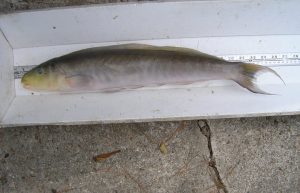
Tile fish are a deep-water species prized for their firm white meat and unique habitat. These fish are typically found along the Atlantic coast of North America, especially in the deeper parts of the ocean where rocky ledges, reefs, and sandy bottoms meet. Tile fish live in depths ranging from 250 to over 1,500 feet, making them a popular catch for offshore anglers targeting bottom-dwelling species.
Tile fish are not just good on the table, they’re also a challenging and rewarding target for anglers who are willing to drop bait hundreds of feet down.
Species of Tile Fish Worth Knowing
There are several types of tile fish, but two are most commonly caught and cooked:
- Golden Tilefish: Known for its bright yellow spots and excellent eating quality. Found in deep offshore waters from New Jersey down to the Gulf of Mexico.
- Blueline Tilefish: Also called gray tilefish, these are smaller than the golden and found in slightly shallower water along the southeast coast and Gulf.
Golden tilefish can grow over 40 pounds, while blueline tilefish usually range between 5 and 15 pounds.
Best Time and Conditions to Target Tile Fish
This fish can be caught year-round in many areas, but conditions and timing matter for best success.
- Spring through Fall is peak time, especially in waters off the mid-Atlantic and Florida coasts.
- Calm seas help when fishing deep, since less drift allows your bait to stay where it needs to be.
- Strong currents can make it hard to get your bait down without heavy weights, so aim for days with stable water conditions.
Some charter captains use current and tide charts to plan their deep-drop trips, and that’s a good idea if you’re new to the game.
Gear Setup for Tile Fish Fishing
Because tile fish live deep, you’ll need specialized gear built to handle both the depth and the potential size of the fish.
- Rod and Reel: A heavy-duty bottom rod paired with an electric reel or a high-capacity conventional reel is preferred.
- Line: 50 to 80 lb braided line for sensitivity and strength. Braided line cuts through the current better and helps you feel the bottom.
- Leader: 50 to 80 lb mono or fluorocarbon leader for abrasion resistance and to absorb shock.
- Weights: Bank sinkers between 1 to 5 lbs, depending on depth and current strength.
Most anglers rig up with a chicken rig or multi-hook setup with circle hooks to increase hook-up ratio and reduce gut-hooking.
Bait Choices That Work Best for Tile Fish
These fish aren’t too picky, but fresh, tough baits stay on the hook better and attract more bites.
- Squid strips are the most commonly used and work great.
- Cut fish such as mackerel, bluefish, or bonito pieces hold up well and give off strong scent.
- Clams or crab chunks also attract tile fish, though they can come off the hook easier in heavy current.
Adding scent attractants like bait oil or gel can increase your chances, especially in deeper or darker waters.
Fishing Depths and Bottom Structures
Tile fish love to burrow in the soft sand near hard bottom, wrecks, or ledges. They’re usually caught just off the bottom, so keeping your bait near the ocean floor is key.
Here’s a general chart to understand where to look based on water depth:
| Tile Fish Type | Preferred Depth | Habitat |
|---|---|---|
| Golden Tilefish | 600 to 1,200 feet | Soft sand near rocky ledges |
| Blueline Tilefish | 250 to 750 feet | Hard bottom, shell beds |
If you’re marking structure on your sonar around these depths, it’s worth dropping a line.
How Tile Fish Taste and Why They’re Popular
Tile fish are highly rated for their culinary quality. The meat is dense, white, and slightly sweet, often compared to lobster or crab in texture. Here are some popular ways to cook them:
- Grilled with lemon and herbs
- Pan-seared in butter and garlic
- Baked with panko crust or simple citrus glaze
- Fish tacos with shredded cabbage and spicy mayo
Because of their rich flavor and clean fillets, tile fish are a favorite in high-end seafood restaurants and home kitchens alike.
Regulations and Harvest Limits
Tile fish are regulated in both state and federal waters. There are daily bag limits and size restrictions depending on the species and your location.
Here’s a simplified look at general rules, but you should always check local regulations before fishing:
| Species | Federal Bag Limit | Minimum Size | Notes |
|---|---|---|---|
| Golden Tilefish | 1 to 3 per person | No federal minimum | Seasonal closures may apply |
| Blueline Tilefish | 3 to 5 per person | No federal minimum | Gear restrictions may apply |
Some areas also require descending devices or venting tools to safely release deep-water fish.
Why You Should Consider Targeting Tile Fish
This fish offer a unique and rewarding challenge. You’re fishing deep, using specialized gear, and often doing battle with big, powerful fish. They taste excellent and offer more meat per fish than many other bottom species.
Benefits:
- High quality meat that’s restaurant-worthy
- Deep drop fishing adds variety to offshore trips
- Fish are often less pressured than reef species
- Can be caught alongside grouper, snapper, and other bottom dwellers
Whether you’re booking a charter or running your own rig, adding tile fish to your target list can make for a great offshore day.

